Six Tatami
Space, scarcity, and the Japanese idea of home

Six Tatami1
Translated from Vsevolod Ovchinnikov
The best way to understand the spirit of the traditional Japanese house is to stay in a ryokan. Not simply because few people will ever invite you to spend the night in their own home, but because for most Japanese the ideal of such a dwelling exists more in imagination than in everyday life.
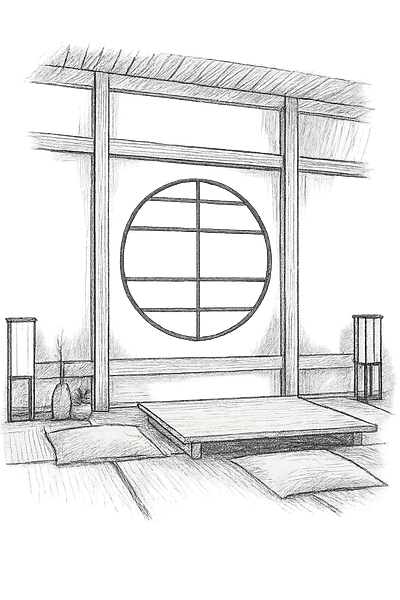
The design of the Japanese house was shaped not just by earthquakes, climate, or the artistic temperament of its people. Its most distinctive features — a floor that serves as both bed and furniture, sliding screens instead of doors and windows — all come from the same impulse: to save space.
A Japanese room is empty for a reason. With such limited size — most often six tatami, about ten square metres — it has to be bedroom, dining room, and living room at once. The only furniture, a low table, is pushed to the wall after supper. Futons and quilts are taken out of the cupboard, and the whole room turns into a bed.
It seems to me that the habit of living on tatami began above all as a clever way to save space. But can a six-tatami room, crowded with an entire family, really be called a model of taste? Children crawling on the floor poke holes in the paper screens, spill bowls of food, and leave stains on the mats that never come out.
No matter how inventive the Japanese may be in squeezing use out of every corner, such a home almost always looks cluttered, cramped, and a little shabby. A student in a three-tatami room feels as if he is sitting at the bottom of a well, its walls made of stacked books.
And as for closeness to nature? More often it arrives only as a draft. When a city dweller slides open the paper screens, he usually sees not a garden but the wall of a neighbour’s house within arm’s reach, or rows of laundry strung out to dry.
Housing is the sorest point in Japanese life. A common saying puts it bluntly: “The average Japanese is better off in appliances than in clothes, better off in clothes than in food, and better off in food than in housing.”
To a foreigner, especially to a Russian, it can seem strange that Japanese families spend so much on clothing and remain so indifferent to what they eat each day. Prices explain part of it. Synthetic fibres and substitutes have made clothes and shoes cheap, while food — especially anything beyond the traditional diet — is painfully expensive. A kilo of meat costs about the same as a pair of shoes. But there are older reasons too. For centuries, clothing marked social position, while plainness in food was cultivated as a virtue. Feudal morality urged families to care more about how they looked on the street than about what they had on the table.
Nothing gives a more deceptive picture of life in Japan than the morning rush from subways and commuter trains. The crowd looks impeccably dressed — no less polished than in any European capital. But wait until noon and watch what that same office worker in his pressed grey suit eats for lunch. In the business districts, bicycles weave through traffic, each rider steering with one hand and balancing a tower of bowls with the other. These delivery men carry hot meals to clerks and managers working behind the gleaming façades of glass and steel.
In the cavernous hall of a bank, clerks and couriers may earn very different salaries, but both usually eat the same: a steaming bowl of noodles. The only distinction is that one drinks the free office tea, while the other, for the sake of prestige, steps out afterward to spend as much on a cup of coffee as on lunch itself.
At home, housewives pack their husbands’ bento boxes — shallow wooden or aluminium trays with rice from the electric cooker, a slice of fried flounder, a few pieces of pickled vegetable. In truth, little has changed since the war, when a “patriotic meal” was nicknamed “the rising sun flag”: a lone red carrot slice on a bed of white rice.
Meat consumption is rising, but slowly: from two kilos per person a year not long ago to seven now — still only what an Englishman or Frenchman eats in a single month. Refrigerators, it seems, found their way into Japanese homes before milk or meat ever did.
On current incomes, diets could be much improved, and some change is underway. Housing, however, has barely shifted — and where it has, it is often for the worse. Hard as it is to believe, many working families spend as much, sometimes more, on rent as on food.
Every city dweller knows the pull of the handwritten signs pasted to lampposts: “Four-and-a-half tatami — 6,000.” “Six tatami — 9,000.” The numbers mean size and monthly rent. Most families lease from private landlords, and sixty percent of all rentals are still just six-tatami rooms. For that small space a family pays a third of its income, plus a deposit of three to six months’ rent.
The paradox is stark. A city apartment that swallows up a third of a worker’s wages is not more comfortable than a farmhouse. It is worse: costly, cramped, and far from work.
Eighty percent of city households own a television. But the same percentage still lack sewerage. Hot water taps and central heating are rare luxuries. Homes, like those in the countryside, are heated by sun and breath, and aired by drafts. Sliding screens let in so much cold air that kerosene stoves are hardly more effective than the old charcoal braziers.
Everywhere you look, especially in the suburbs, new houses grow like mushrooms. Yet nine out of ten are still primitive wooden huts, as bare of modern comforts as a peasant’s cottage.
Worst of all is the absence of any long-term solution. Japan knows how to build quickly and well, but nowhere do you see whole housing estates rising at once on open land.
In some places, the city authorities have built modern blocks. But the real brake is private ownership of land. An old proverb says: “A persimmon bears fruit in eight years, a plum in three.” Real estate men have given it a new twist: “A plum pays in three years, land in one.”
“We’ve learned to fight natural disasters like land subsidence,” Japanese builders say. “But there’s nothing we can do about another calamity: the land that keeps rising in price. That is the true scourge of our cities.”
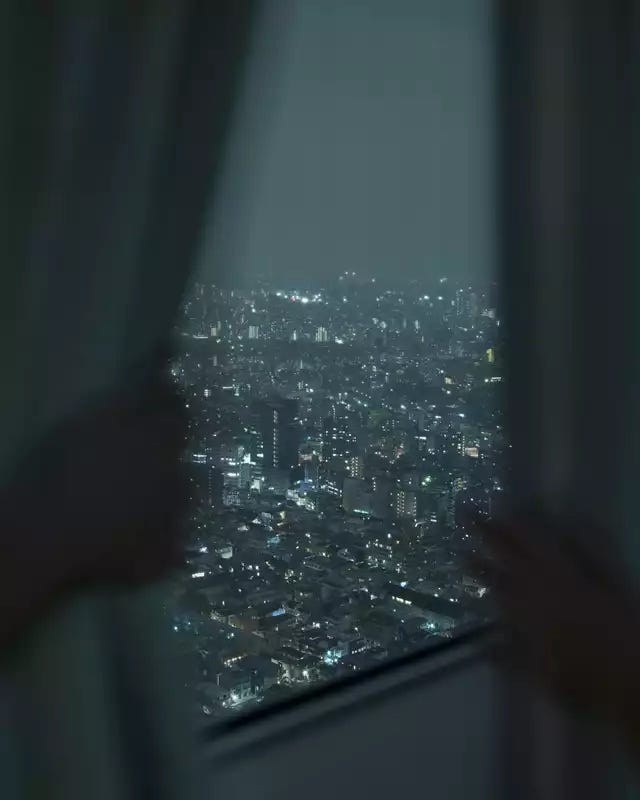
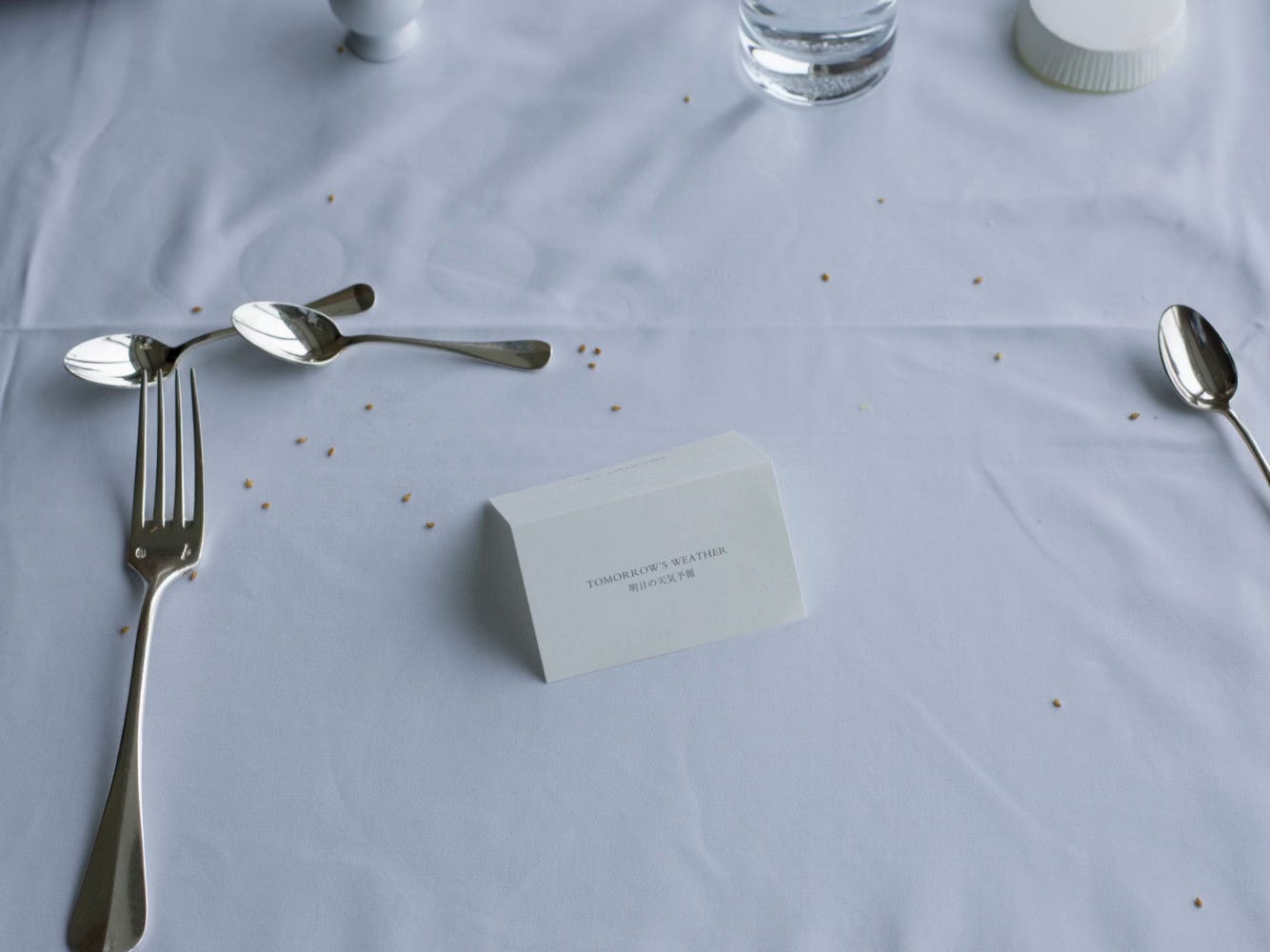
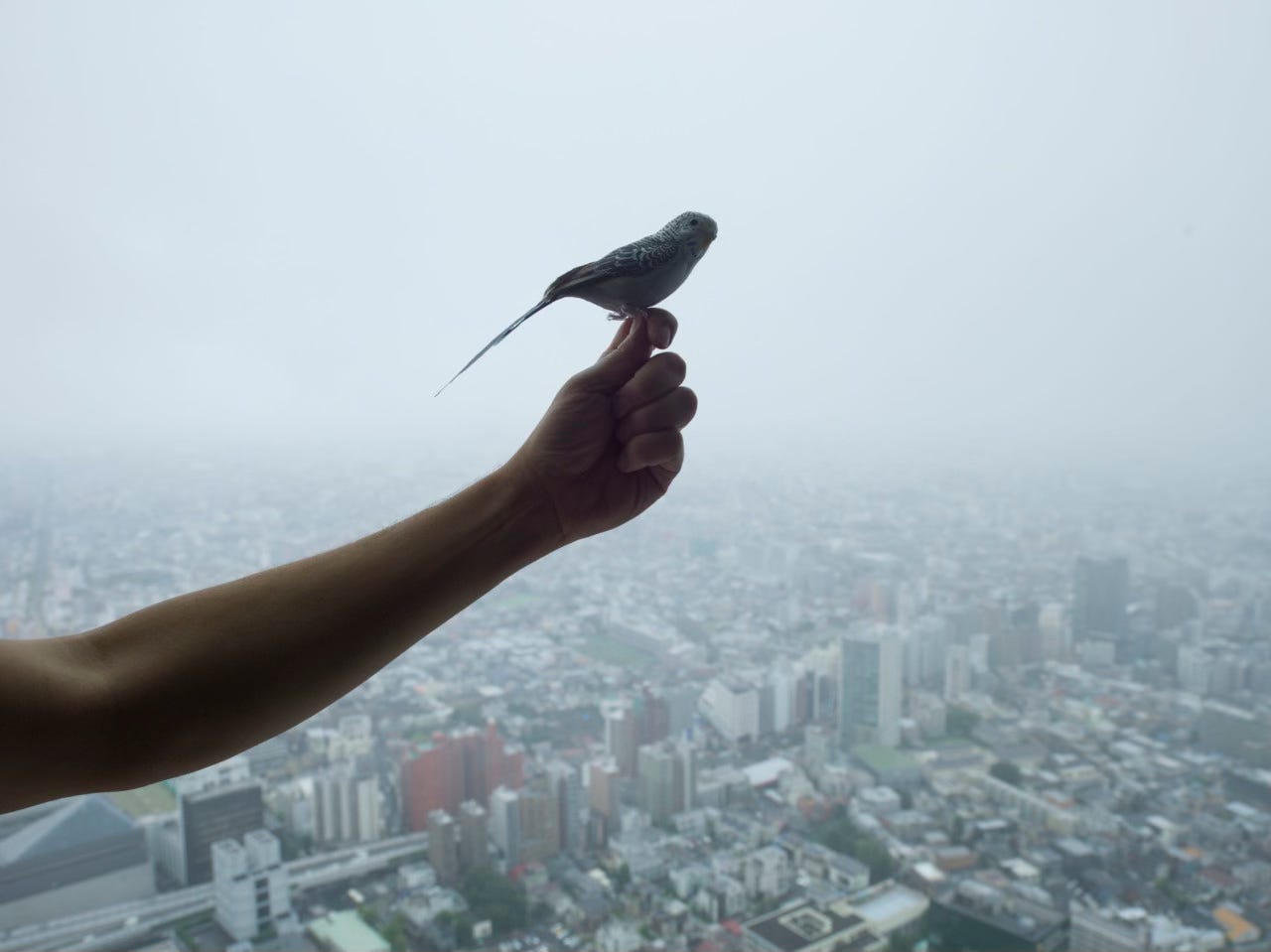
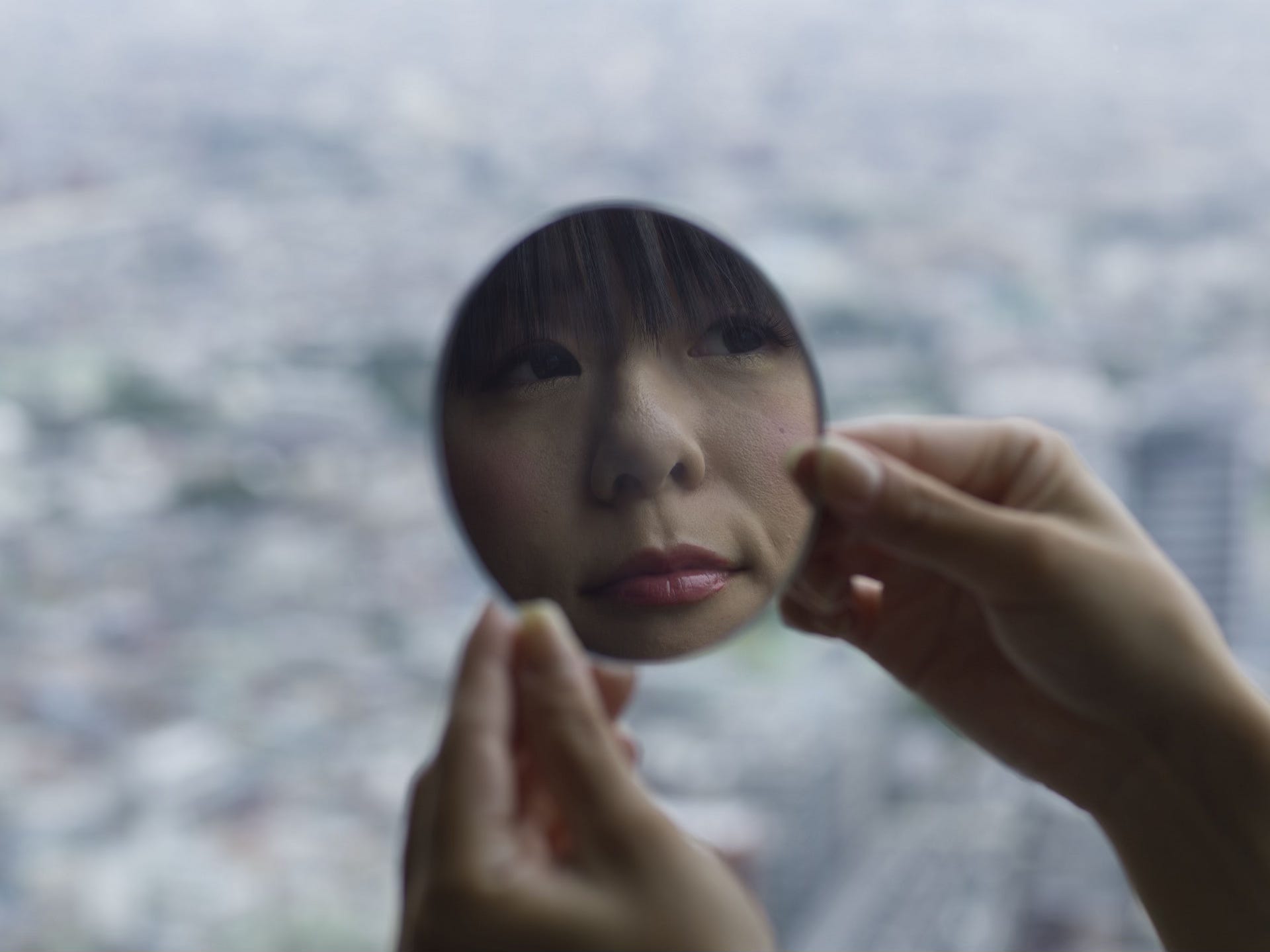
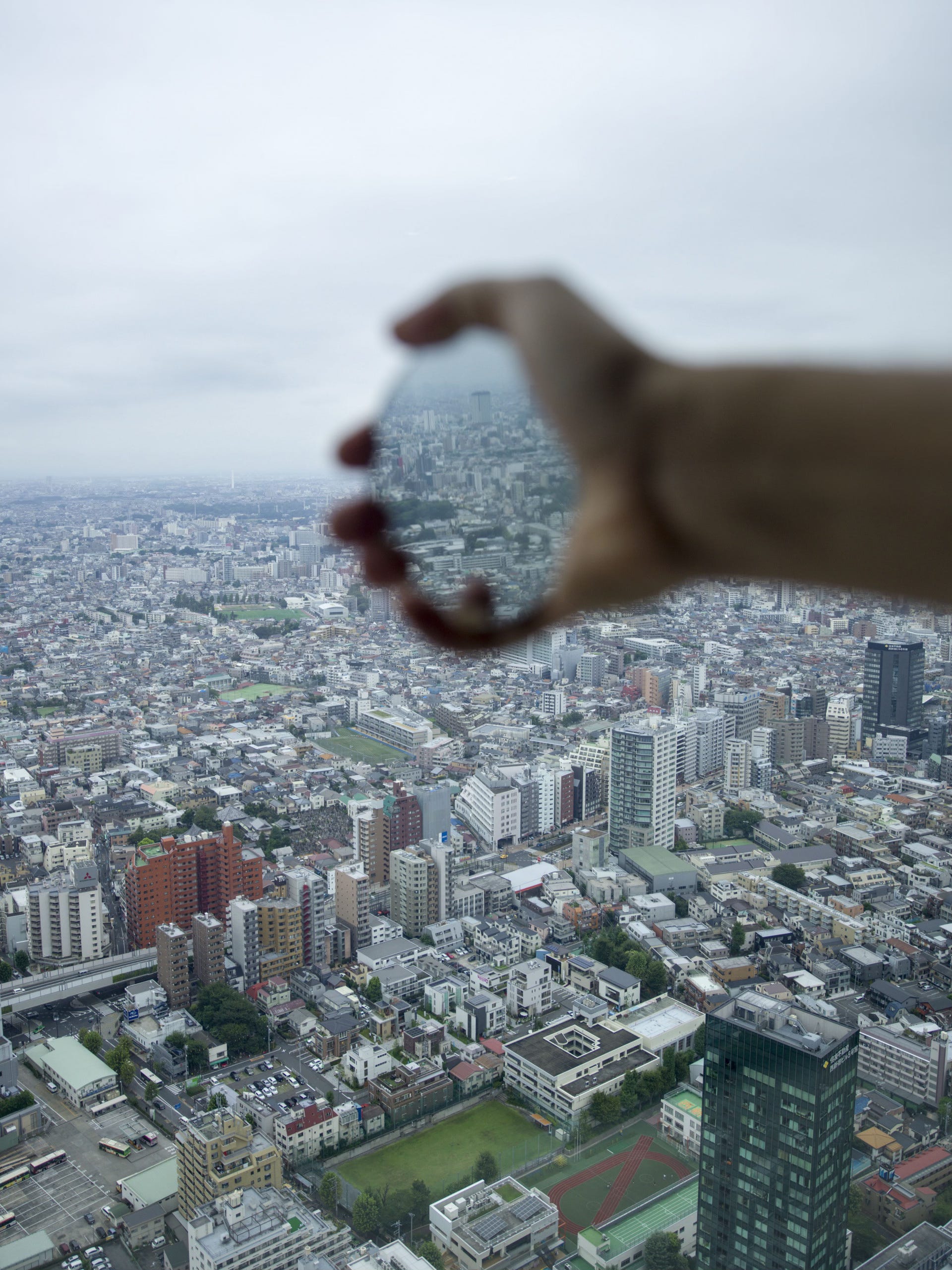
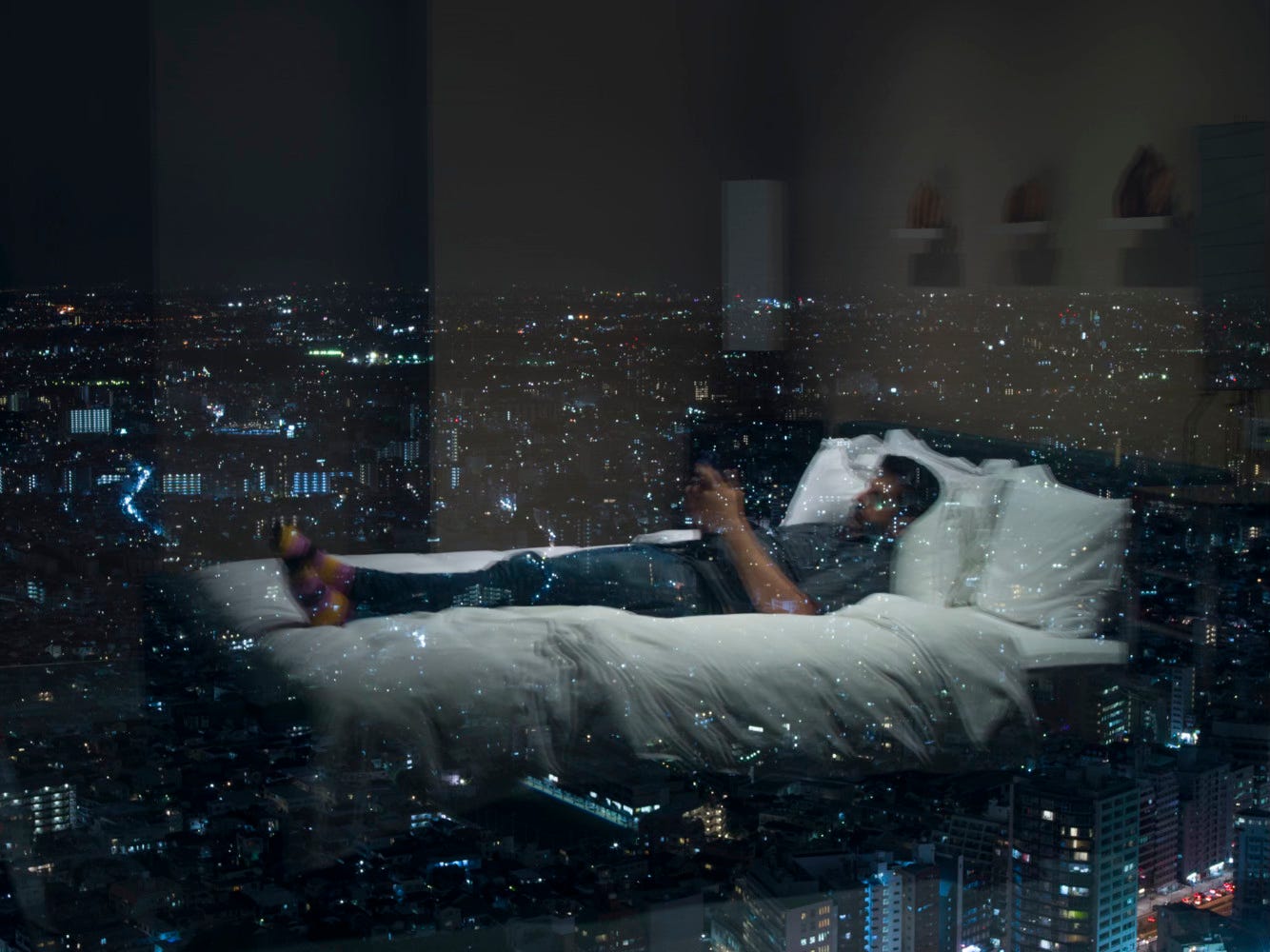
All the photographs today come from Alec Soth’s Lost in Translation series, made in Tokyo at the Park Hyatt Hotel in 2015 — the very place where Sofia Coppola’s film was shot. Commissioned by New York Times Voyages, the project turned the hotel room into a stage: Soth invited performers, a sushi chef, and others inside, photographing them instead of the city outside. I always loved the idea of making a single room into its own little world...