
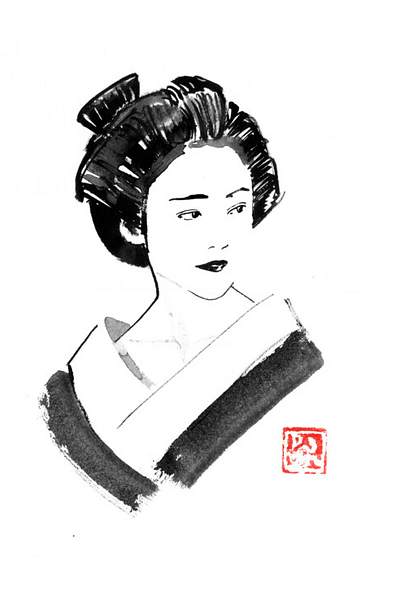
Geisha
True Guardians of the Japanese Arts

Many thoughts, little time. Reading Isabella Stewart Gardner’s biography and talking art non-stop at the fair — I may as well buy a red lipstick. And somehow, learning about geisha culture has made me confident about ploughing a few untouched fields of myself.
—A.
Geisha1
Translated from Vsevolod Ovchinnikov
Is there a Japanese word as well-known abroad, and as fixed in the foreign imagination of Japan, as kimono? There is. The word is geisha.
Yet the fame of this term does little to clear away the many misconceptions around it.
Literally, geisha means “a person of art.” A geisha is an artist — skilled in the art of entertaining men, not only through song and dance, but through learning and conversation. To equate geishas with prostitutes would be as mistaken as confusing actresses with streetwalkers. At the same time, the title itself is no guarantee of chastity.
Following the old maxim “everything in its place,” the Japanese long divided women into three spheres: for the home and the continuation of the family — the wife; for the spirit — the geisha, with her refinement and education; for the flesh — the oiran, once courtesans, now replaced by bar and cabaret girls after the ban on open prostitution.
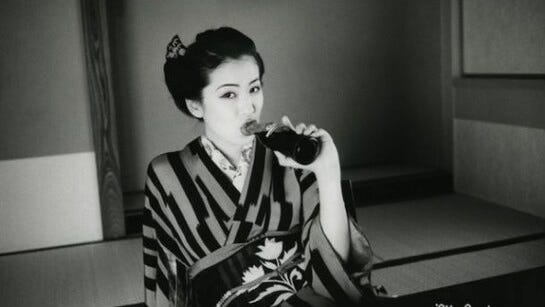

An evening spent with geishas is, without doubt, a memorable event, though it often leaves foreigners with a faint sense of disappointment. That was my own experience, even though my first encounter was arranged by the mayor of a city famed across Japan for the beauty of its women.
At the end of dinner three artistes appeared — two far too young, one rather too old. Their brilliant robes, their elaborate antique hairstyles, and above all the thick white makeup that turned their faces into lifeless masks — all this struck me as gaudy, theatrical, even unnatural.
The younger girls told me they had just turned sixteen and had only recently been entered into the official city register of geishas, maintained wherever there are teahouses. One poured me saké with practiced grace, then explained, no less poetically, the proverb painted on the porcelain. To reciprocate, I began a quatrain by Bo Juyi. She, without hesitation, completed it with the missing lines, as if the Chinese poet of a thousand years ago had been her contemporary.
We might have continued this exchange, but from the corner came the strum of a shamisen. At the signal of the elder geisha, the girls rose, fluttering from the table, and performed a ceremonial dance — likely older than the verses we had just written. Then all three knelt, touched their foreheads to the floor in a deep bow, and slipped out, their visit lasting no more than half an hour.
“Is that all?” If I did not say it aloud, my bewilderment must have shown, for my host replied:
“Even many Japanese joke now that to invite geishas is as pointless as ordering champagne at a bar. You won’t get drunk on it, but you will show your guest you spared no expense.”
An Italian journalist friend of mine liked to say: “An evening with geishas is nothing more than a church supper laced with a few anecdotes. If anything, it’s striptease in reverse.” Indeed, beneath their wigs and paint, geishas appear more like animated dolls than living women. Any tourist who imagines their dances to be sensual is mistaken. The movements are severe, almost devoid of femininity, their lineage tracing back to the austere theatre of Noh.
Sometimes geishas sing with the guests, sometimes they play simple drinking games. They refill glasses with beer and saké, exchange jokes, and, above all, laugh at the men’s humour. And that is where contact ends.
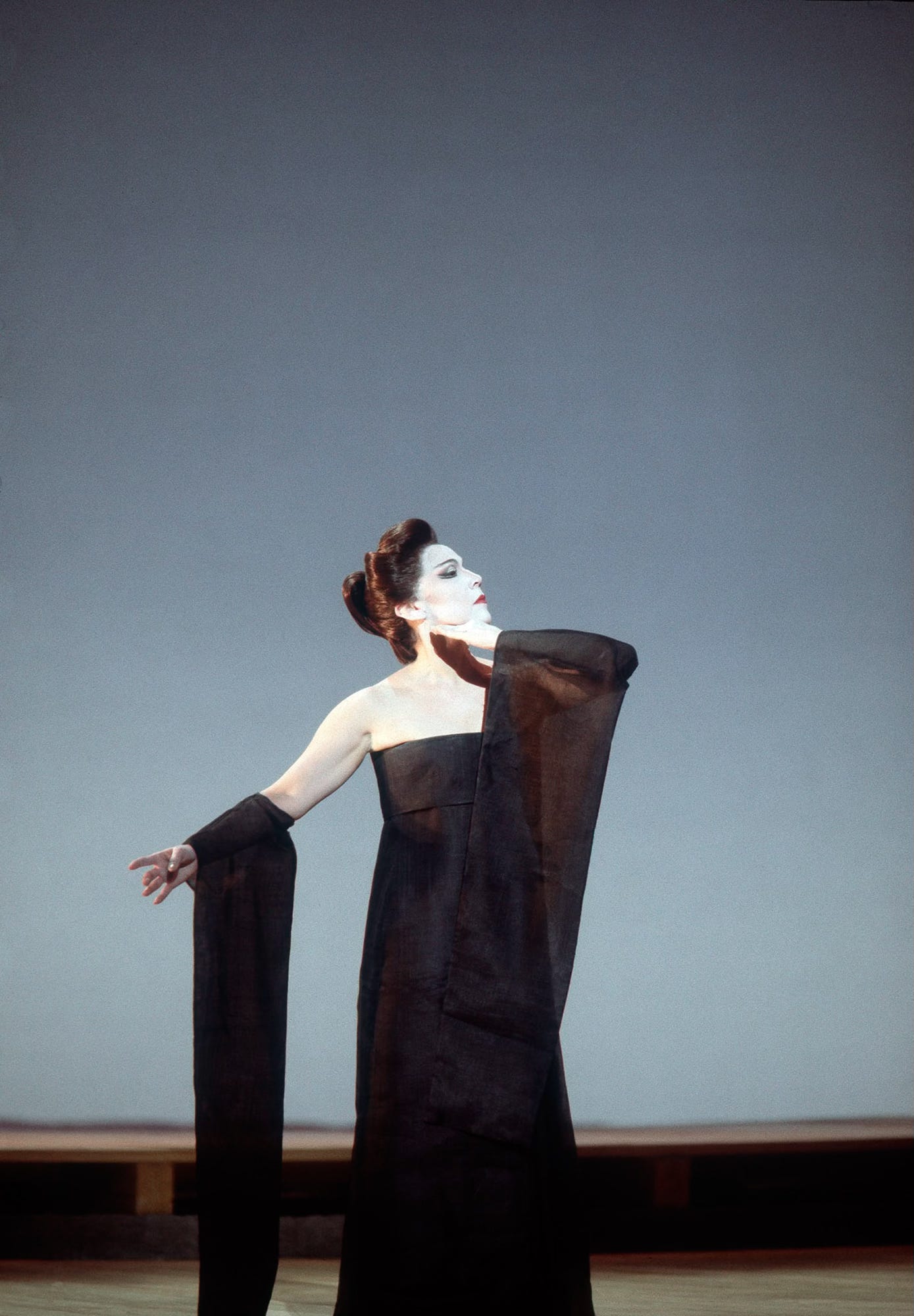
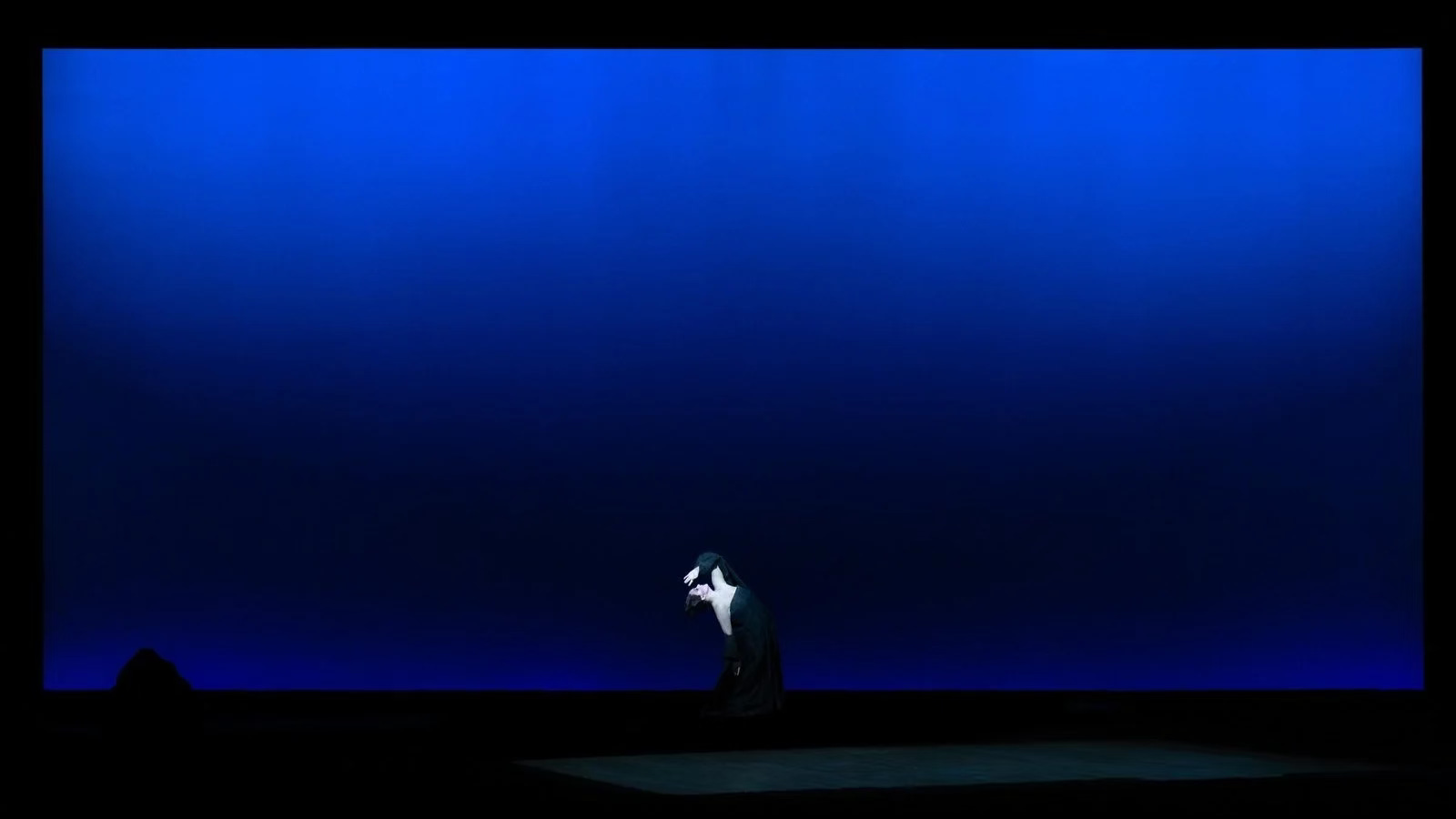
To understand the world of geishas, Kyoto is the place. In the Gion district stands the highest concentration of teahouses — and of schools that train and supply geishas.
A mistress of such a house pays a sum to the parents of a girl, who enters apprenticeship at six or seven. Alongside ordinary schooling, she learns song, dance, the shamisen, and other necessary arts. She lives entirely in the mistress’s house, who feeds and clothes her, keeps account of every expense, and trains her in the craft.
Since Japanese law now forbids work before completing nine years of schooling, the mistress begins to recoup her investment only after the girl turns fifteen. Training an artiste takes time, and demand for her services is highest in her earliest years. The main source of profit lies elsewhere.
So it is that every geisha sooner or later acquires a patron, who pays handsomely for the right to summon her at will. She remains on the city’s official register, free to be invited elsewhere, but her patron always has first claim. Most often it is an aging businessman, for whom the prestige outweighs the pleasure. The presence of geishas is a mark of hospitality at the highest level, and the cost is known to be ruinous. Many important business and political meetings still take place in teahouses, with a favoured geisha serving as hostess.
It has been said already: in Japan, it is not customary to receive guests at home or to visit with one’s wife. The result is that women are largely absent from men’s company, and men are rarely in the company of women — save for geishas or bar girls.
Thus the same man who spends four or five evenings a week in entertainment districts — witty, charming, at ease — becomes almost the opposite when faced with a woman in ordinary life.
A tourist guide published in the United States even warns young American women: do not expect chance encounters in the Land of the Rising Sun.
A few train journeys are enough to see this for yourself. When a woman finds herself alone in a compartment with three male strangers, it is almost unthinkable that they will not acknowledge her in some way — perhaps not as courtship, even playfully, but at least with small gestures of attention.
In Japan, the businessman travelling by bullet train from Tokyo to Osaka will sit beside a woman for three hours without once attempting conversation, afraid that even a polite remark might go unanswered, and that he might “lose face.”
In the land of the artistes, men are anything but artists when it comes to the company of women.2
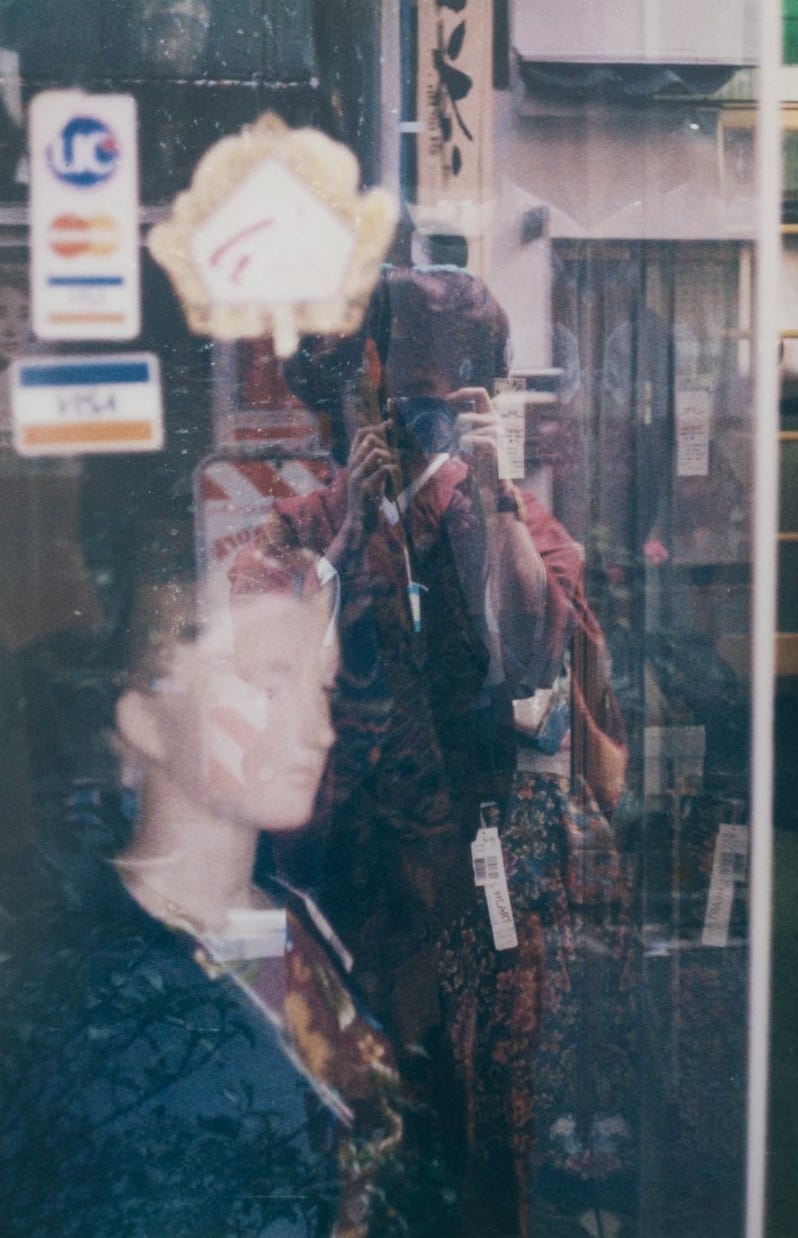
Hanayo. My discovery of this week. Hanayo’s life has been full of contrasts and adventures. After leaving art school, she trained as a junior geisha in Tokyo’s Mukojima district, before following her passion for punk and moving first to London, then Berlin. Alongside this shift, she began taking photographs with her father’s old camera — vivid, playful images that helped pioneer Japan’s “girly photography” of the 1990s. Her path since has been as multifaceted as her images: she modeled for Gaultier, appeared on the cover of The Face, made music with international collaborators, and worked with director Christoph Schlingensief. She has exhibited worldwide — from Palais de Tokyo to Documenta X — and her photobooks have kept her close to the lens all along.

Found quite recent interview also, read it if curious.