
Restraint and Indulgence
How Japanese Morality Balances Duty and Desire

Somewhere in the blur of the past few days, I realised this “little side project” isn’t so little anymore. It’s been writing its own chapter in me — one where I can do hard things without second-guessing myself. Most days, anyway.
I once planned to take a photo for every chapter, but at this pace something had to give, so I’ve let it go — for now. Photography’s still the long game; one day I’ll swap these for images I make in Japan, to throw a different light over the book. Until then, we’re running on my random memories — and thank God there are plenty. This week’s is a dusty road on Spetses, Greece, where I almost got stranded on a quad bike looking for John Fowles’ villa from The Magus (I found it, but that’s another story).
–A.

Prefer reading on paper? Here’s a print-ready version. More about the project here.
Restraint and Indulgence
Translated from Vsevolod Ovchinnikov
Japanese morality asks much of the individual. It calls for steady self-sacrifice, for the fulfilment of the duty of gratitude and the duty of honour. Hearing this, one might imagine a life of strict discipline, where physical pleasure is treated as a sin, as Buddhism so often teaches.
Which is why it comes as a surprise to find that the Japanese not only tolerate such pleasures, but often look kindly on them, even on those that Christian morality calls human weaknesses. For all Japan’s Buddhist heritage, in this sphere its daily life often moves in open contradiction to the Buddha’s teaching.
Restraint, a refined sense of taste, and the ability to be content with little do not make the Japanese naturally ascetic. They live under the weight of moral obligations, bound by countless rules of conduct. And yet, alongside these constraints, life in Japan preserves narrow corridors that lead toward indulgence. The code insists that bodily pleasures have their place, though always a secondary one.
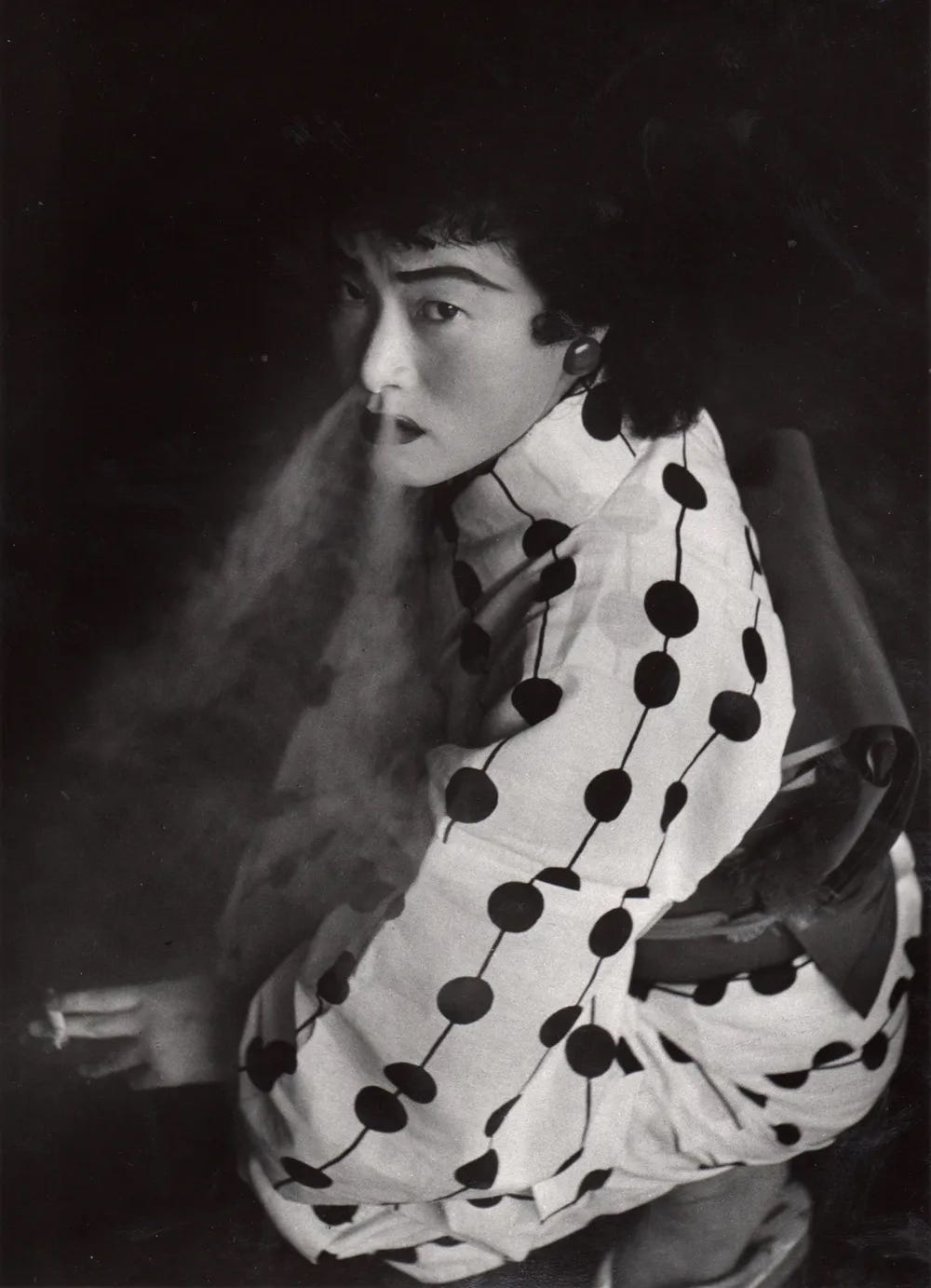
Here lies a familiar duality: the stern suppression of personal impulses in the name of duty, alongside a striking tolerance for human failings, seen less as flaws than as human joys. The drama of life, for the Japanese, is that physical pleasures are not condemned; they are not sinful. Yet there are moments when a person must turn away from them for the sake of something greater.
The American belief that the pursuit of happiness is life’s driving force strikes Japanese ears as amoral. Happiness, in their eyes, is only a welcome pause, like a smoke break on the edge of a field midway through the ploughing. It is never the motive power or the purpose of existence. Avoid your favourite pleasures; turn toward unpleasant duties — this was the final line in the hundred laws of Tokugawa Ieyasu1, and it survives as a proverb. Strength of will, the ability to turn away from pleasures not because they are wrong but because duty calls elsewhere, is considered a virtue.
Once again, the idea of everything in its place governs the balance between strictness and leniency. Life is divided into a sphere of duties and a sphere of pleasures, a primary realm and a secondary one, each with its own standards and its own rules.
For all its repression of private impulses, Japanese morality has never condemned sex. Neither religion nor social code has treated it as a social evil, a sin, or something to be hidden in shame. A Japanese man clearly separates the sphere of family, the centre of his main obligations, from amusements outside it, which are also legitimate, though secondary.
The wife of a Tokyo salaryman is used to seeing her husband at home only two or three evenings a week. In a city with eighty thousand bars, it would take 219 years to visit each one at the rate of one per night. Sometimes it seems this is exactly the ambition of many businessmen.
Wives accept these absences without protest. There is even a phrase in Japanese that borrows from Russian: to come home in a troika2. It means the drunken head of the household stumbles in at night, supported by two hostesses from a bar. In such a case, the wife is expected to invite them in, serve tea, ask whether all accounts have been settled, and see them off with thanks.
What would be considered moral failure in the West — the husband’s indulgences — is, in Japan, outweighed by the wife’s potential jealousy. This tolerance, however, applies only to married men, never to married women.
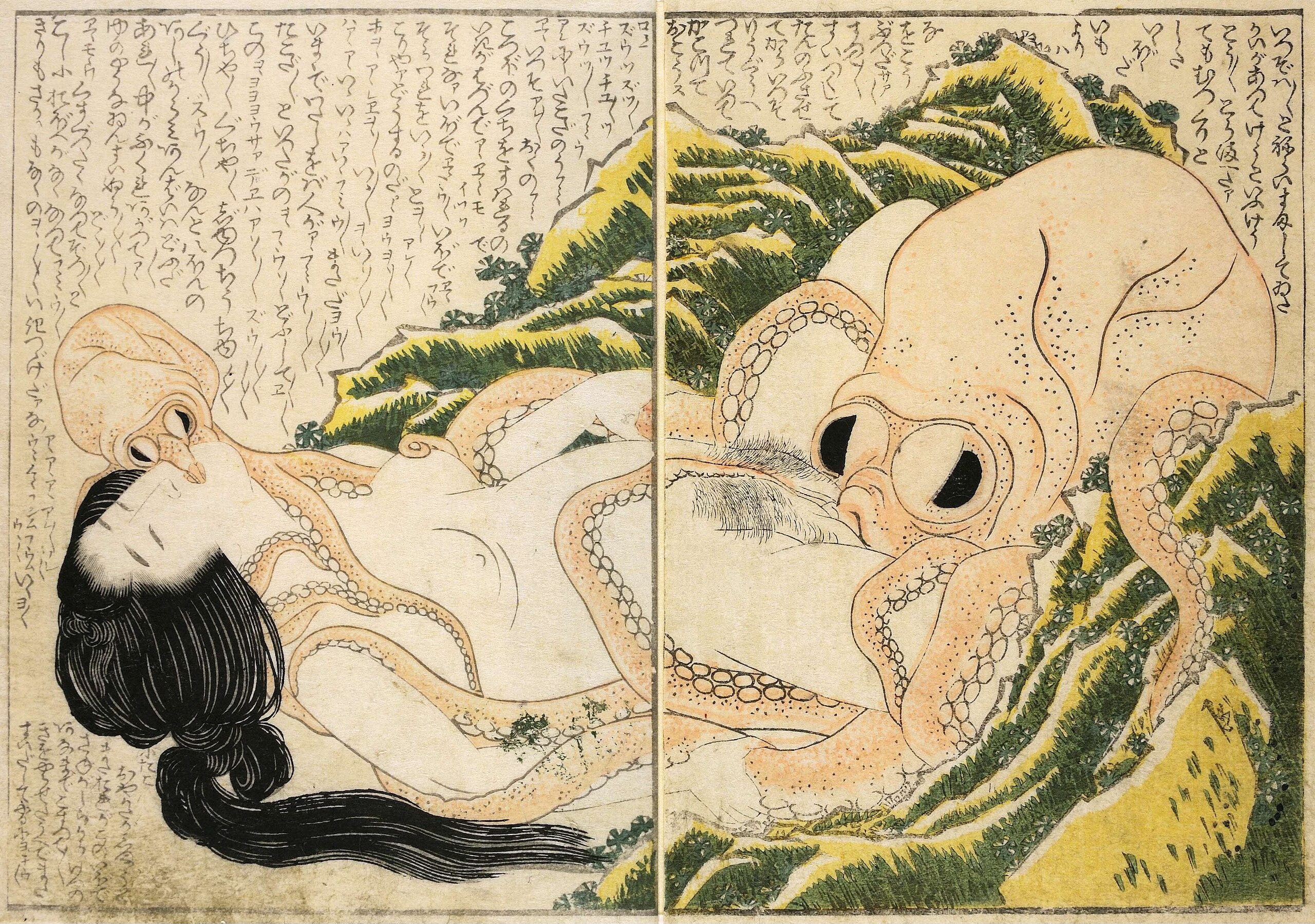
Eastern traditions of polygamy never took deep root here. Even the concubinage once common in feudal China did not transplant easily. Ieyasu’s laws allowed concubines only to the highest ranks, forbidding them to commoners, and public morality looked on the practice unfavourably. Bringing a mistress into the household would breach the boundary between the two spheres of life, damaging the primary for the sake of the secondary. To do so would violate the commandment to keep everything in its place.
Japanese morality, then, is highly indulgent toward human weaknesses. It considers them natural and grants them a lawful place in life, albeit a secondary one. This is far from the Western idea that spirit and flesh are in constant opposition, one representing good, the other evil.
The Japanese see the human soul as having two sides: soft and hard, like the same hand that can strike an enemy or caress a child. One should not value gentleness while condemning hardness, or the other way round. One must meet life each time with the side that is called for.
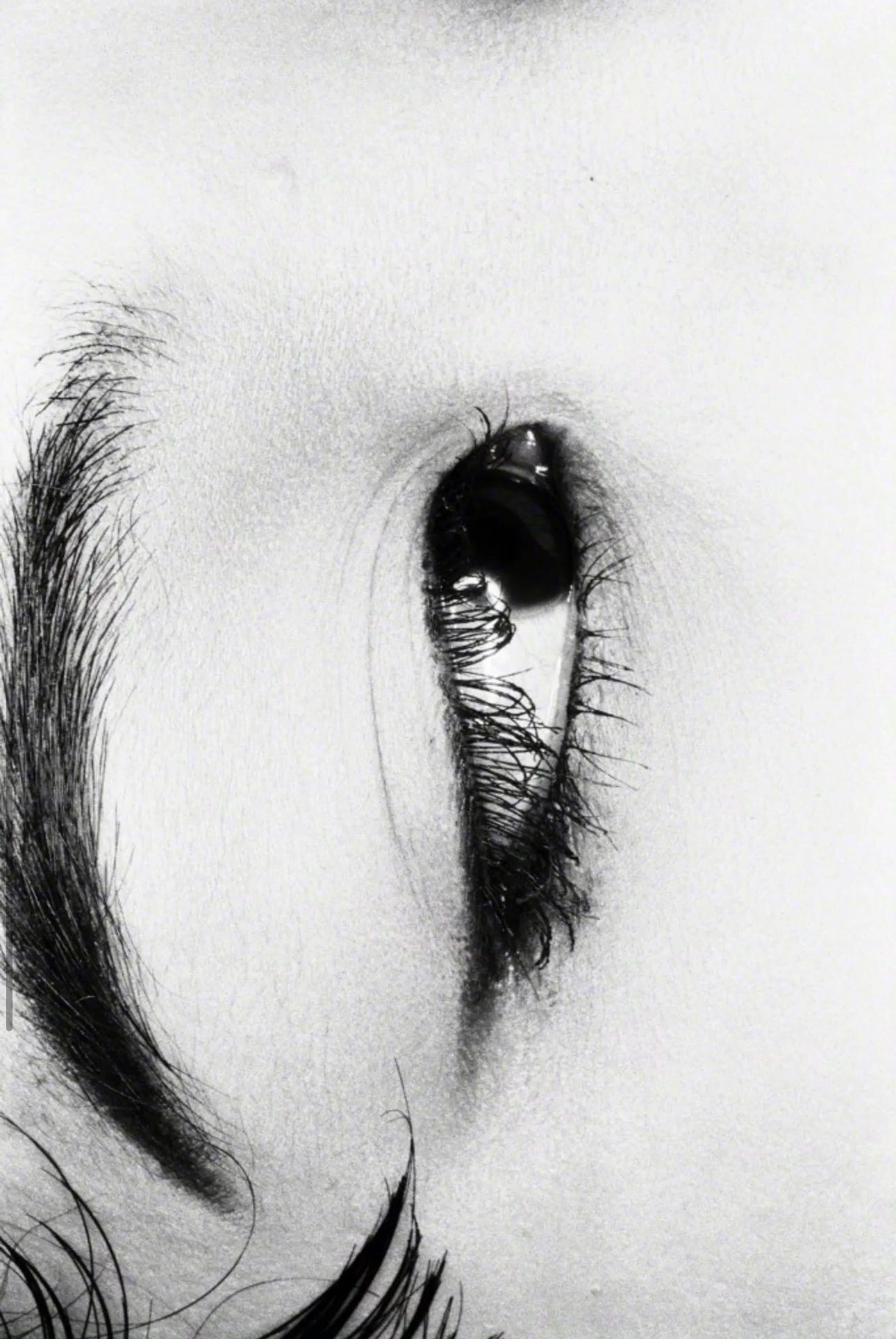
Since they do not see spirit and flesh as antagonists, the Japanese are also less inclined to frame life purely as a struggle between good and evil. Westerners, taught from childhood that virtue will be rewarded, often find Japanese works unfinished, lacking a moral resolution. But the Japanese are drawn to another theme: a person who sacrifices something dear for the sake of something greater. Their favourite plots turn on the clash between the duty of gratitude and the duty of honour, or between loyalty to the state and loyalty to the family. A happy ending is not required; a tragic one may even be seen as uplifting, affirming the will to fulfil duty at any cost.
After Japan’s surrender, the Americans confiscated wartime films and were surprised to find no more effective anti-war propaganda. They saw few parades of victory. The focus was on hardship: exhausting marches, trench filth, the blind chance that decides a soldier’s fate. More often, the films showed families receiving news of a death at the front. It was the opposite of Hollywood’s battle epics, yet by exalting sacrifice they served the militarists’ aims all the same.3
Something similar can be felt in today’s television dramas. To foreign eyes they may seem like a protest against rigid family customs, a call to follow one’s heart. But the Japanese viewer may not see them that way at all. In a typical plot, parents insist their son divorce a daughter-in-law they dislike. The son loves his wife, yet obeys. His strength lies not in defiance, but in acceptance.
There is a time to be governed by obligations, when restrictions hold sway. And there is a time for pleasure, when one may enter the realm of indulgence. But when the two conflict, there is only one choice: not to do what one wishes, but what one’s place demands.
This division explains the Japanese tendency toward zigzag behaviour: extreme modesty in daily needs and lavish extravagance on ceremonial occasions. Excessive consumption is still frowned upon, but only in everyday life. To be stingy at a wedding or funeral is as immoral as to be intemperate in the routine of the day.
The Hundred Laws of Tokugawa Ieyasu, also known as Buke Shohatto, were a 17th-century code meant to guide both governance and daily conduct in Japan. They ranged from the lofty (respect for duty and loyalty) to the minutely practical (limits on house size and roof materials).
Troika is a Russian word for a three-horse carriage, with the horses harnessed side by side.
Grave of the Fireflies (1988), directed by Isao Takahata, is a Studio Ghibli film often cited as one of the most powerful anti-war works ever made. Though Hayao Miyazaki had no creative role, he co-founded the studio with Takahata. Based on Akiyuki Nosaka’s semi-autobiographical novel, it follows a teenage boy and his little sister struggling to survive in wartime Japan. Released as a double bill with Miyazaki’s My Neighbor Totoro, it paired one of cinema’s most devastating stories with one of its gentlest fantasies.